Category: Emetophobia

  • Bia and the Center for Anxiety and Behavior Therapy have Partnered!

    Bia and the Center for Anxiety and Behavior Therapy have Partnered!

    William, January 12, 2025

    I am extremely excited to announce today that Bia has partnered with the Center for Anxiety and Behavior Therapy, or CABT for short. They are the first organization in history, as far as I can find, that offers therapist continuing education units on the topic of emetophobia specifically. I was jumping out of my chair when I found their website and the resources they offered. They’ve formed The Emetophobia Institute, a practice offering workshops for individuals and parents, and training for clinicians. The Emetophobia Institute is run by Dr. David Yusko and Dara Lovitz, two people who understand emetophobia extremely well.
    Dara is an emetophobic in recovery and was in fact a client of Dr. Yusko. They’ve combined their two unique perspectives of emetophobia into helpful resources for individuals, parents, and clinicians. They have a book together call Gag Reflections, which I recommend due to this unique and powerful duel perspective. Last year, I took Bia to them and I was happy to find their mission was the same as mine: To make emetophobia recovery easier and more accessible.

    We’ve kicked off our partnership with some exciting work coming soon. First, providers signing up for Bia can get a discount to the CABT’s trainings. Bia’s provider portal combined with the expert instruction from The Emetophobia Institute mean that no clinician needs to be concerned or confused about treating emetophobia. Second, we’ve kicked off research to raise awareness about emetophobia and inform clinicians on the signs and proper treatment. Finally, we are developing a new clinician directory for providers to advertise their expertise in emetophobia, helping clients find therapists who know and understand emetophobia. Not to mention, their feedback and expertise continues to shape and improve the tools in Bia, helping individuals take recovery into their own hands at an affordable cost.

    It’s always been extremely important to me that Bia was built correctly, safely, and with the partnership of experts. This partnership with CABT is solid confirmation of that mission, and I am so excited about the work to come. In 2025, I am absolutely confident that more people will learn about emetophobia, get help, and feel better, than ever before.

    If you are suffering from emetophobia, there has never been a better time to start recovery. Get started in 5 minutes with Bia, or sign up for an affordable workshop with The Emetophobia Institute.

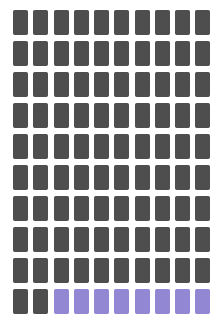
    If you are a clinician, it’s important to understand emetophobia is one of the most common and debilitating specific phobias impacting almost 1 in 12 individuals. Most individuals with emetophobia go decades without treatment. Emetophobia treatment is often unique, in that it is not the same as other specific phobias and typically requires a slower, more incremental approach similar to OCD. Bia provides you an easy tool to assign ERP homework, with pre-made curated exposure hierarchies and guiderails that prevent over exposure and resulting drop-outs. The CABT provides you continuing education units on a disorder that is so common, that mentioning it on your website will likely result in a wait list of clients in need.

    If you work in a school or in-patient clinic, Bia is a massively cost effective way to get your kids back in school and free from their phobia. Bia provides step-by-step incremental exposure with resources and training for parents and a dashboard with automatically charted progress.

    Interested in using Bia but have questions? Please contact us anytime.

  • 10,000

    A Major Milestone

    We recently reached a major milestone – 10,000 exposure exercises have been completed on Bia. In this post, we will celebrate the courage and growth of people around the world.

    It takes immense courage to turn around and face a phobia. It’s often the last thing people imagine themselves doing. Facing a phobia may involve processing past trauma, guilt, and shame. Phobia thrives off feedback cycles in the brain that strengthen associations over time – exposure works to incrementally reverse these feedback cycles and turn them into positive ones. It is a process of trust. It is a process that involves intentionally practicing sitting in discomfort.

    “People living with phobia are living every day in spite of their fear. This is why they are the most courageous people you will ever meet. But many people with phobia don’t see it that way, they are so hard on themselves and expect they will have to ‘tough it out’ to get better. Once they see they are already living extremely courageously, they can channel that energy toward recovery. I believe recovery starts with being kinder to yourself and it ends with confidence and freedom.”

    – Willy, Founder and Fellow Emetophobic in Recovery

    10,000 completed exposure activities is a testament to the courage of those living with emetophobia. Since we launched Bia, people have shown up every day to practice exposure, revisit difficult exercises, and overcome challenges. Research shows exposure is an effective treatment for phobia. We built Bia to help people start and follow through with exposure practice. With 10,000 exposure activities completed, we are just starting the journey of helping people take their life back from phobia.

    Congratulations

    To those that have started your recovery journey, congratulations. Oftentimes, getting started is the hardest step. To those considering starting your journey, the perfect moment to start is right now. You deserve a life free from phobia.

  • The Shirt I Couldn’t Wear for 13 Years

    William, October 14 2023

    The shirt I couldn’t wear for 13 years

    When I learned about emetophobia I was brought to tears. For the first time in my life I had an explanation for the suffering I felt every day. I felt understood. I read down a list of common issues faced by people who suffer from emetophobia and couldn’t believe that there were millions of people out there going through the exact same thing. One of the bullet points said “sufferers may avoid wearing certain colors or clothing that remind them of illness” and I was so massively relieved that I was not the only one. I was 17 and I had suffered from emetophobia for as long as I could remember. Now I finally had a name for it. This blog post is about my tie dye shirt and the 13 years of my life where I could not bring myself to put it on.

    The Shirt

    Highschool junior year homecoming dance had a simple theme – match your partner. My date (now my wife) and I chose to wear tie dye. We made tie dye pants, shirts, and socks, and we rubber banded our outfits together so our tie dye pattern would match up when we stood next to each other. Homecoming was a great time. However, that evening, I went lazily to sleep in my tie dye outfit and had recurring dreams of swirling tie dye color. I woke in the middle of the night covered in sweat and extremely nauseous. I didn’t vomit, but I paced in my room for what felt like hours in the middle of the night until this wave of panic passed. I didn’t know it at the time, but I was suffering from OCD and emetophobia.

    Intrusive thoughts and images flooded my mind so strongly that I forgot where I was. I couldn’t take my mind off of tie dye or vomiting and the two ideas became violently intertwined in my mind. Eventually this wave of panic died off. I took off my tie dye outfit and went back to bed. In the morning, I could not stand to even look at my tie dye outfit. I stuffed the shirt deep in a corner of my closet. I could not bring myself to look at it, or even think of it. Tie dye was now a direct link to nausea and fear. Just like that phobia had another hook.

    The Hurdle

    Two and a half years later I cleaned out my closet while packing for college and rediscovered my tie-dye shirt. I felt uneasy just holding the shirt, but it also represented a fun memory of that homecoming dance. I put it on, and shortly after I was sweating and nauseas. Now I was convinced the shirt would make me sick. I didn’t think the shirt was magic or cursed. I knew full well this was a mental hurdle, an association I had invented and continued to maintain, but knowing the thought was irrational did not help me conquer it. I also knew by taking it off I was giving more power to this idea that the shirt would make me sick, I was raising the hurdle each time I gave up. I stuffed the shirt into a keepsake box. I couldn’t wear it but I also couldn’t bring myself to throw it away.

    Ready

    A Symbol of Growth

    The shirt is now in my regular sleeping shirt rotation. It brings me joy to grab it and wear it. Phobia has such a powerful and cruel way of taking hold of small things in our lives. This shirt represents one of the cases where phobia had won the battle, but I ultimately won the war.

  • No Burp Syndrome

    Can you burp? Many people with emetophobia cannot.

    Retrograde Cricopharyngeal Dysfunction (R-CPD), also called no-burp syndrome, was first published about in 2019 [1]. The cricopharyngeus muscle sits at the top of the esophagus and normally relaxes for eating and when under gas pressure. However for some this muscle fails to relax when under gas pressure causing pain, bloating, painful hiccups and more.

    R-CPD can be successfully treated[2] by applying muscle relaxing medication to the cricopharyngeal muscle.

    We don’t know if there is a link between R-CPD and emetophobia. Could the muscle disorder cause nausea and reduce burping which leads to emetophobia? Could emetophobia cause people to suppress the natural muscle movements in the throat leading to R-CPD?

    R-CPD is not to be confused with globus pharyngeus which is the feeling of a lump in the throat.

    Tightness in the throat muscles is one example of many feedback loops of phobia[3]. Physical discomfort triggers anxiety which increases physical discomfort. Part of phobia recovery is identifying and breaking these feedback loops.

  • How common is emetophobia?

    An estimated 8% of people have emetophobia. You are not alone.

    Emetophobia falls under the Other Type umbrella of phobia classifications in the psychologist diagnostic guide, the DSM-5, which includes the phobias of choking, illness, children, loud sounds, and costumed characters.

    Emetophobia is more commonly reported in women than men, impacting 7% of women and 2% of men[2]. The severity and length of phobia can vary widely, with severe emetophobia appearing more rarely[3].

    Emetophobia appears all around the world[4][5] and most commonly starts in childhood.

  • Bia – From Personal Project to Recovery Tool

    William, September 16th 2023

    How Bia came to be.

    The Motivation. Bia began as a personal project during my first attempt to overcome emetophobia. After a few weeks of in-person exposure therapy I had two realizations. First, I dreaded it. Second, I knew it was working. I dreaded it because each week my therapist pushed me further along in a hierarchy of exposure, and they were moving faster than I felt comfortable. It was working because each therapy session I conquered things I never imagined doing and I felt this growth positively impacting my life outside of therapy. This led me to start my own library of exposure content. I wanted a way to practice exposure and make progress on my own terms.

    Conquer Emetophobia. The original version of Bia was called Conquer Emetophobia. It was a list of exposures (words, sentences, and images) in a set order. I could load up this list on my phone or computer and practice moving through from start to finish. For a little while, this was enough, and I had taken a few things in my life back from emetophobia – like watching movies without fear of vomit scenes, or, hear words like vomit without having to leave the room. I shared this small site with a few other people who were also recovering from emetophobia and we shared in celebration when we conquered things we thought we never would.

    Tracking Progress. Conquer Emetophobia sat unchanged for a few years. Meanwhile emetophobia slowly crept back and it felt like I ‘lost’ my progress. I was motivated to gain the freedom I knew I could have. I added the ability for Conquer Emetophobia to record history over time. I wanted to know how uncomfortable each bit of content made me and then I wanted to track that over time as I repeated exposure. I knew that once I had this number it would motivate me to practice regularly.

    Research Based. I went back to therapy for emetophobia more motivated than ever. I truly believed exposure could work and I wanted someone to help me make progress. My second therapist was fantastic and for the first time in my life I could picture a life without emetophobia. I worked on Conquer Emetophobia every day and on every weekend. I bought a small library worth of books on phobia, OCD, and exposure. I reached out to therapists who specialize in emetophobia. All of this information went into the website as I expanded the capabilities to track progress, added more content, and ensured the exposure approach was based on research.

    Responsive, Personalized, Effective. Research of effective exposure led to a customizable hierarchy with enforced milestones. The site adapts to high or low levels of discomfort based on the same guidance given to therapists, and interactive component like typing, describing, and speaking, were added to increase content engagement. I received positive feedback from therapists and fellow emetophobes. I was using the site every morning. It was a massive confidence boost to start my day conquering my phobia. I started to believe this could help other people.

    The Ah-Ha Moment. I continued to conquer my own phobia in steps and as I did so I expanded the content available on Conquer Emetophobia. Cartoon images, cartoon videos, real images, real videos, activities, building out the website became my therapy. Every weekend I added new content, and during the week I conquered it through repeated exposure on my phone. This incremental approach was working for me – but I kept seeing comments on youtube, reddit, and elsewhere, people saying that emetophobia was ruining their life. They tried to watch this video but couldn’t. The same struggle I experienced during my first attempt at exposure therapy, it was too much too fast. So I knew, this tool had the potential to help people conquer their phobia in incremental, safe steps.

    I knew this tool could help someone start recovery by offering the lowest level of exposure and letting them control the pace. I knew this tool could help someone conquer specific goals. And I knew this tool could help someone build confidence for daily life. I knew all this because I was using it for that exact purpose.

    Bia. My wife said I needed a better name. She suggested Bia, coming from the end of phobia. I loved it. The site is about taking life back from phobia and the name even takes Bia back from phobia. I renamed the site and started sharing it around to positive feedback and growth ever since.

  • Gagging and Vomit in Comedy

    William, May 18th 2023

    Until my recent recovery from emetophobia, I dreaded vomit scenes in movies and tv shows. Even just 2 seconds of a character vomiting would send me into panic and my time relaxing on the couch would be spoiled along with the rest of my night. I didn’t understand it. Why put these scenes into the show? Are they just trying to be gross? Does anyone actually enjoy this? Why not just leave it out?

    For me, vomiting and gagging were not funny. I couldn’t imagine myself laughing at someone experiencing what I feared so strongly. But slowly this changed, and during my exposure therapy I watched a skit called ‘Waiters who are Nauseated by Food’ (for those of you using Bia, you will find this skit in the Fake Videos milestone) and for the first time in my life I found the idea of nausea and gagging funny. I didn’t understand it, and I even wondered if I was losing my empathy.

    I spoke to my therapist about this and I learned two things.

    1. Emetophobia was hijacking my empathy.

    I wasn’t just worried about myself throwing up, I was worried about everyone throwing up. That’s a lot of pressure to put on myself. Also as I evaluated what exactly about throwing up made me so uncomfortable (asking the question ‘what about this makes me uncomfortable?’ was a powerful tool for me) I realized I was afraid to vomit in front of other people. But why? Was I worried they would laugh at me? Maybe, but I was more worried that I would ruin their day, by causing them the same panic that I would feel if someone vomited near me.

    So look at what emetophobia was doing to me. Not only was I worried about myself throwing up all day every day, but I also worried about anyone around me throwing up, and now, I worried about other people worrying. I was three layers deep of worrying! It’s not fair, or reasonable, to expect me to save everyone around me. I had to let this go, but how?

    2. I have a theory for why gagging and vomiting is funny.

    I could not find any academic articles on this subject, I would love to hear a professionals opinion. But my theory is gagging and vomiting are funny because they are about losing control. Similar to watching your friend eat a hot pepper on a dare, the uncontrollable response is funny. It’s not that I no longer feel empathy for people, but I understand that gagging and vomiting are not as horrible as I had built them up to be, and this momentary lapse of bodily control will be over soon. As I built Bia, I gathered hundreds of images, audio clips, and videos of people gagging, pretending to gag, vomiting, etc, and a common theme across these were people laughing. I started to find the humor in vomit scenes. I still think vomit scenes are added a bit too often into media where they don’t really add value, but after therapy, I can confidently sit down and watch tv without fearing a scene will ruin my night.

  • My Emetophobia Timeline

    William, March 21st 2023

    My therapist would often ask ‘How does this make sense?’. Asking and answering that question has become a way to pause and process when I feel frustrated, sad, or overwhelmed. As I worked through my emetophobia, I found it very helpful to understand how emetophobia evolved throughout my life. Below, I share the timeline of my emetophobia as I understand it.

    • 7 Years Old – My earliest memory of emetophobia was laying awake at night, imagining myself throwing up over and over on repeat. This caused significant distress. To try to stop it, I invented a scene to think of instead. I pictured a boat traveling along a canal, its wake bouncing and rippling. I imagined the sound, the smell, how the boat would slow for turns in the canal and accelerate along the straight. Specifically, I imagined this boat making a right turn, resetting, repeat, over and over. This was my first ‘clean thought’ that I used to try to drown out emetophobia thoughts for nearly 20 years

      My theory is something was making me chronically nauseous. Whatever the cause, chronic nausea led to obsession of vomiting – I always felt sick, so I thought about it, planned for it. This kicked off the vicious cycle. Nausea triggered anxiety, anxiety made me nauseous.
    • 11 Years Old – I dreaded the dentist. I didn’t understand how anyone could sit through it. I understand now, my dread of the dentist was rooted in the fear of them gagging me. This is how emetophobia impacted me as a kid. The dentist was harder (what if they gag me and I vomit?), going to the movie theater was harder (what if I have to vomit but can’t get to the bathroom in time?), car rides and planes (what if I get car/air sick?), test day at school (what if I have to vomit in the middle of the test?). Everything was harder. I was good at thinking of the worst case scenario.
    • 14 Years Old – I quit soccer. At the time I thought I wasn’t good enough, but reflecting on this decision, I know now it was completely driven by emetophobia. Our coach would threaten to run us until we puked, and the nervousness before a big game triggered nausea and anxiety. Quitting soccer brought the familiar feeling of instant massive relief, but long term reinforced the avoidance cycle and increased my anxiety response.
    • 16 Years Old – I had my first panic attack at a school assembly. I specifically remember imagining myself throwing up in front of the entire school, triggering a wave of anxiety. I thought I was having a heart attack and made it to the hallway where a very kind teacher helped me through it. I did see a doctor, and they suggested it was anxiety and prescribed me xanax, although I still didn’t know (or admit) I had emetophobia. I knew throwing up bothered me much more than it bothered my friends, but I still didn’t understand what was going on. Emetophobia really had a hold on me from this point on.
    • 17 Years Old – I finally googled ‘Why am I so afraid of throwing up’ and discovered emetophobia. I found a list, something like 20 signs of emetophobia, and almost coming to tears as I read down the list and related to each one. It felt amazing to have a word to describe what I was feeling, and for a while, that was enough. I treated emetophobia as a part of my identity, I embraced the idea that I would not be a world traveler, an adventurous eater, an athlete. I settled with living with emetophobia.
    • 19 Years Old – I saw a few doctors on and off for occasional panic attacks and anxiety. I avoided telling anyone I had emetophobia, including doctors.
    • 22 Years Old – Tired of chronic nausea, I saw a therapist with the goal of taming my anxiety. I remember in my first appointment, trying not to reveal that I had emetophobia and focus on anxiety. I had convinced myself that I would always have emetophobia, and I didn’t want to talk about that. Immediately, the therapist recognized my phobia and encouraged me to try exposure therapy. He taught me the concept of ‘clean and dirty discomfort’ which was a very helpful lens for me. However, he moved too fast through exposure and I lost trust in him. I stopped therapy before making any recovery. This is also when I made the first version of Bia, in an attempt to continue my exposure sessions at home without my therapist.
    • 26 Years Old – I buried myself in work as a distraction from emetophobia. It was my excuse. I didn’t have to say ‘I don’t want to go out tonight because I am terrified I will get sick and not find a bathroom’. I could just say ‘I have to work’. But, over time, emetophobia was taking more and more away from me. I would have intrusive thoughts about the food I had just purchased, surfing was no longer a relaxing activity but a trigger (what if there is bacteria in the water that makes me sick?). I started to skip meals. I thought that being hungry was better than eating and potentially feeling sick. One morning, hungry but deciding to skip breakfast, it clicked, and I knew I needed to fight. Emetophobia had taken enough of my life for long enough, I was ready to face it head on.

      I found a therapist near me. He listened, and when I was mad or frustrated with emetophobia he helped me make sense of it. He introduced me to Dr. Claire Weekes and the Ironic Process Theory. Slowly, I started to take my life back. I revived the Bia project that I had set aside 4 years ago and continued to build it out. It was a therapeutic exercise for me, I wasn’t just doing exposure, I was thinking about exposure, how it works, why it works, treating it like learning a language. This was when I realized Bia might be able to help other people.
    • 27 Years Old – After another 8 months of therapy, I had a breakthrough. One day, I felt zero fear. It was a completely new feeling for me, and I just wanted to go for walks, listen to the birds, and enjoy eating and drinking. Since then, emetophobia has made its attempts to return. I’m not confident emetophobia will ever be gone, but, I am 100% confident that I have the tools and ability to conquer whatever comes my way. Therapy and exposure saved my life. I do what I want when I want now. I decided to quit my job and focus on Bia, with the goal of helping people along their emetophobia journey. I know recovery is hard, but I know it is possible. My therapist would say, “Life lives on the other side of fear.”

    Thank you for reading about my journey with emetophobia.

  • Guilty Memories of Emetophobia

    William, October 7th 2022

    I have had emetophobia for as long as I could remember, but I didn’t know what it was for a long time. Instead of knowing I had emetophobia, I thought I was sensitive, weak, I thought maybe I was a hypochondriac. I didn’t understand why things were so easy for everyone around me while I struggled to go to movie theaters, sit through class, or go out to dinner.

    During my time in therapy and recovery from emetophobia, I realized how much emetophobia was really behind my decisions for the past 20 years. For example, I left my high school prom after a short 15 minutes, I thought it was because I had to take an elevator, but the only reason I was afraid of the elevator was again because of emetophobia. I quit soccer at 14 because I was afraid my coach would run me until I was sick, but at the time I convinced myself I wasn’t cut out for it. I loved soccer and I wish I had kept playing. In college, I never went out to bars with my friends, I convinced myself it just wasn’t my thing.

    As I worked through exposure therapy my life got bigger from all the new experiences I could enjoy. But I felt guilty and disappointed in myself for all the decisions I had already made with emetophobia at the controls. My therapist asked me to think about my past self as someone else. How would I feel for them? Would I think they were weak? I thought about it, and I pictured my young cousin who has driving anxiety and my friend who also struggles with emetophobia, and my perspective on my past self shifted.

    I had 20 years of memories categorized as ‘I messed this up’ and I finally re-categorized them to ‘I was suffering and did the best I could’. A mountain of guilt was lifted from my shoulders. I have since spent hours thinking of times in my life; prom, soccer, missed concerts, time missed with friends and family, food I never tried, remembering each one and how mean I have been to myself over the years. With this new perspective and understanding of OCD, I could see those decisions with more context, and I finally understood and forgave myself. I am happier, sleeping better, and importantly, being nicer to myself as I continue on my journey with emetophobia.